
Most people think of identity the way we think about machines. Something breaks, you fix the broken part. Something isn’t working, you replace it. If there’s a symptom, you target the symptom.
Anxiety? Work on anxiety. Motivation problems? Fix motivation. Relationship conflict? Improve communication.
The assumption is that the problem lives exactly where the symptom appears. But living systems rarely work that way.
If you’ve ever tried to grow a garden, you already know this.
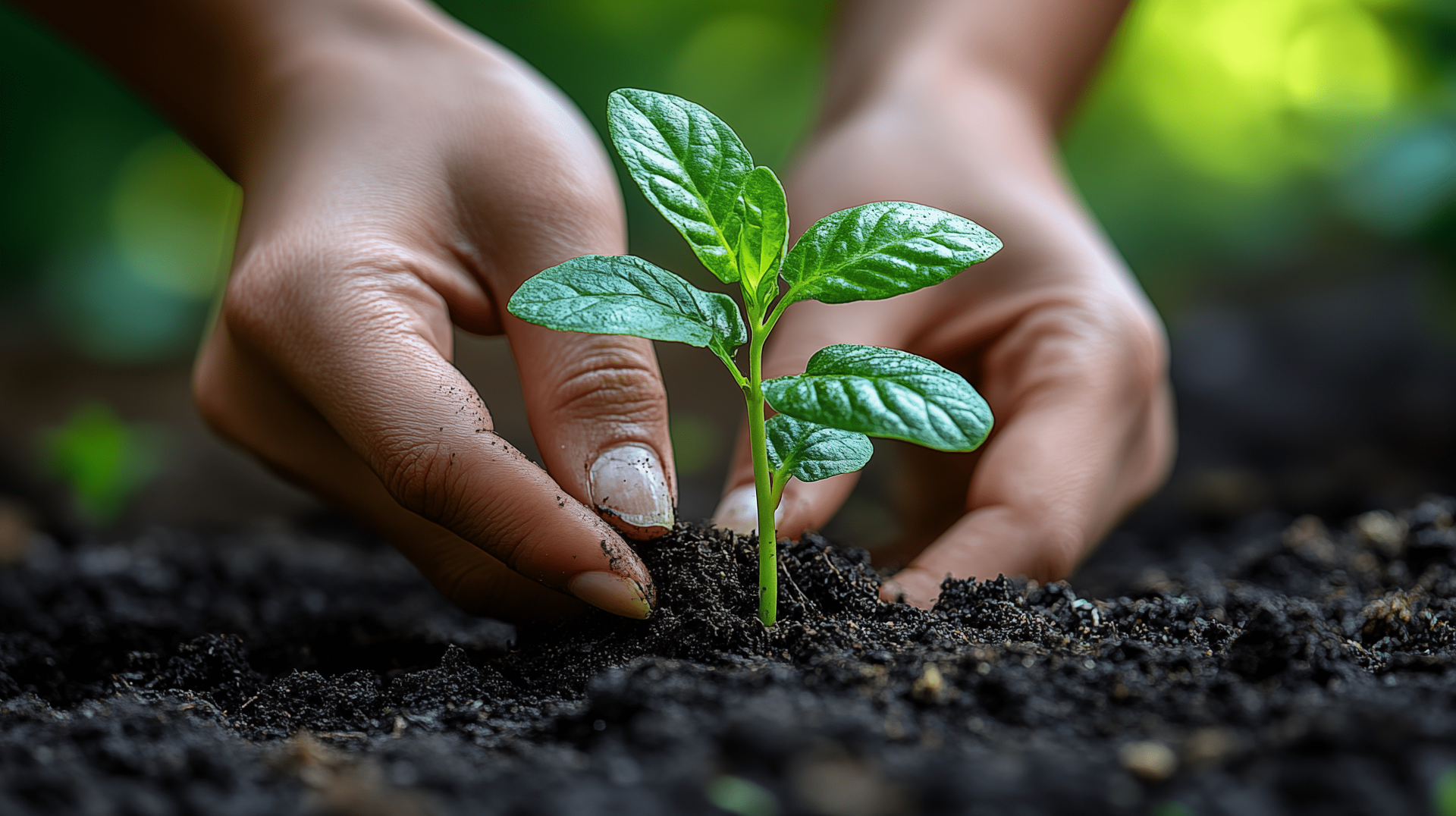
Image by GraphixMade
A plant doesn’t wilt because it has a personal failure of character. It wilts because the conditions around it are wrong. Too little water. Too much heat. Poor soil. Roots that can’t spread. Shade where there should be sun. Or sun where there should be shade.
You can stare at the leaves all day, but the leaves are rarely the real problem. They’re just where the signal appears.
Human beings are more like gardens than machines.
Your identity isn’t a single thing. It’s a living system made up of many interacting parts: your body, your emotional life, your thinking patterns, your relationships, your sense of meaning, your sense of direction. These parts influence each other constantly. When one area becomes strained or neglected, your whole system begins adjusting to compensate.
Sometimes those adjustments look like symptoms.
Anxiety might appear when the system has been running on stress and exhaustion for too long. Burnout grows in soil where purpose has crowded out rest and connection. Numbness can settle in when emotional signals have been ignored for years.
We often try to treat these experiences like broken parts of a machine. We attack the symptom directly. But if the conditions around the system stay the same, the problem tends to grow back.
Gardeners know something different.
They don’t start by blaming the plant. They start by studying the environment.
How much water is reaching the roots? Is the soil depleted? Is there space to grow? Are pests attacking its integrity? Is something else in the garden crowding this plant out?
When the conditions improve, the plant often begins recovering on its own.
The same thing happens inside a human life.
If your body is exhausted, your thinking will become cloudy and your emotional resilience will shrink. If your relationships feel unsafe, your nervous system stays on alert even when nothing is happening. If your life lacks meaning or direction, motivation can slowly leak away even when everything looks fine from the outside.
Symptoms don’t mean something inside you is defective. They mean the system has been trying to survive under difficult conditions.This is why change often works best when we stop trying to force transformation and start tending the system instead.
In a garden, growth doesn’t come from pulling harder on the leaves. It comes from improving the conditions the plant lives inside. More water. Richer soil. Better light. More space.
Human development works in a similar way.
When the body gets rest and nourishment, emotional stability becomes easier. When emotional awareness grows, relationships become less reactive. When relationships feel safer, the mind is freer to think clearly. When purpose begins to emerge, energy starts flowing again.
Every part of the system strengthens the others.
This doesn’t mean growth is easy or quick. Gardens take time. Seasons matter. Some soil has been depleted for years before anyone notices. Restoring it requires patience and attention.
But the good news is that living systems are remarkably adaptive. When conditions improve, growth tends to follow.
Your identity isn’t a machine that needs to be repaired. It’s a garden that needs to be tended.
And sometimes the most powerful change doesn’t come from forcing yourself to be different. It comes from slowly creating the conditions where a healthier version of you can grow.